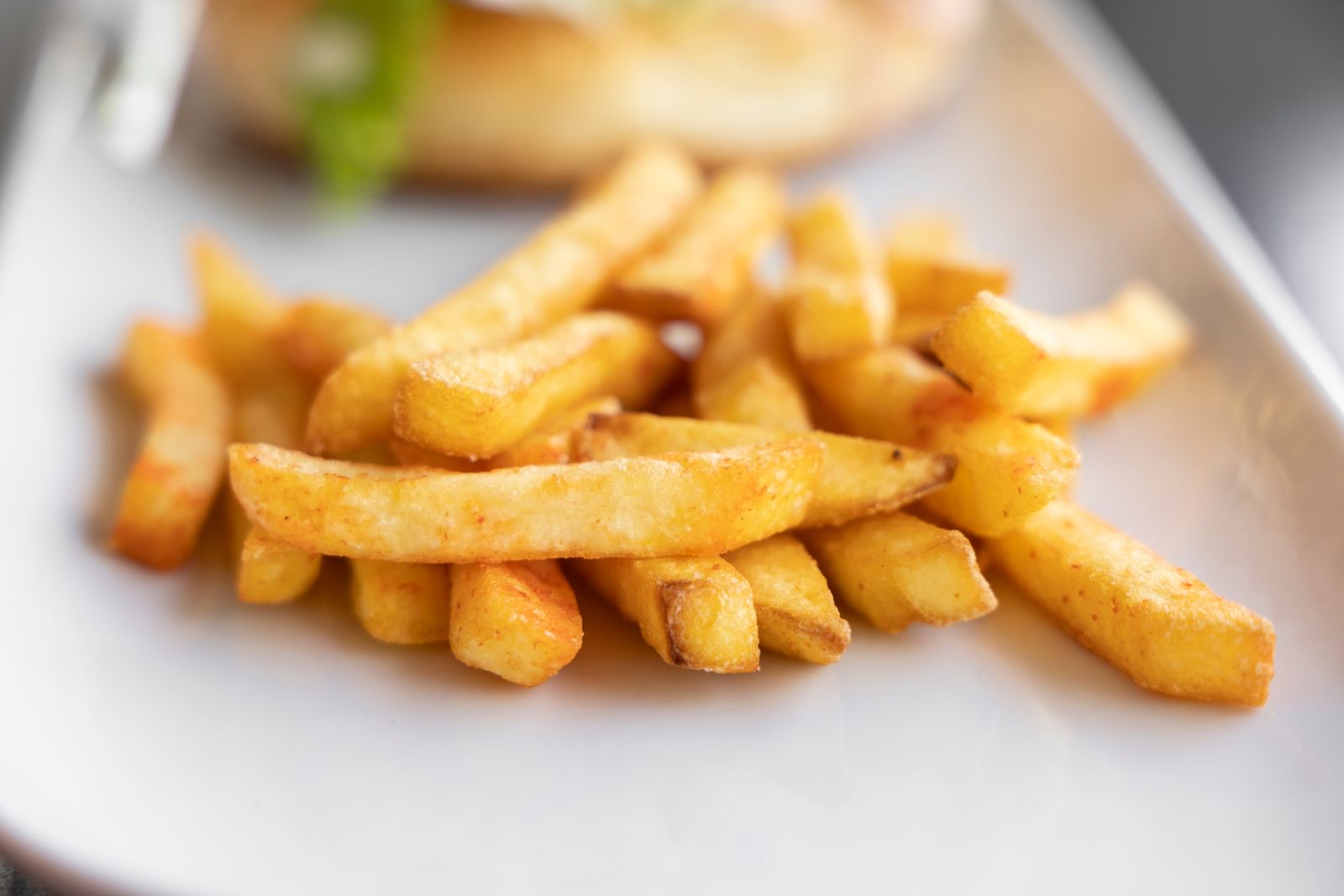
We’ve all been there. Sitting at a table, staring at a plate of fries that once brought you boundless joy. Now, they sit there like potato landmines, daring you to make the next move.
This dear reader, is the essence of the Good Fry Theory—a universal truth we’ve all experienced but never had the guts to name until now.
The Fry Journey: From Glory to Guilt
The Good Fry Theory starts off innocently enough. You order fries—because you’re a person of culture—and they arrive, golden and steaming, ready to be devoured.
At first, it’s pure bliss. You’re reaching for the obvious MVPs—the ones with that perfect golden-brown glow, a crispy exterior, and that soft, pillowy inside. Life is good. You’re living in the moment, basking in the warm, salty glow of freshly fried perfection.
But as the pile shrinks, the stakes get higher.
Suddenly, it’s less about enjoyment and more about strategy.
The Fry Draft Picks
You start making mental trades. Do you go for that oddly thick wedge that looks more baked than fried? Or do you risk it all on that ultra-crispy little fry that’s basically a potato chip in disguise?
You didn’t sign up for this kind of pressure.
This is where the Good Fry Theory really kicks in—the idea that as you near the end of your fry pile, your standards drop faster than a fry in ketchup.
From Selective to Desperate
At the start? You wouldn’t touch that double-fried, extra-crispy fry with a ten-foot fork. Too crunchy. Too aggressive. Not your style.
But now? Now you’re staring at it like it’s the last fry on Earth.
And here’s the kicker—you eat it.
Not because you want to, but because it’s there.
And that, my friends, is the tragic beauty of the Good Fry Theory: When you’re at the end of the plate, even the worst fry starts looking pretty good.
The Emotional Rollercoaster
It’s a complex journey:
1. Excitement – The fries arrive. Life is perfect.
2. Satisfaction – You’re eating the best ones first, as any logical person would.
3. Denial – “I’m kinda full, but I’ll have just a few more.”
4. Negotiation – “Okay, if I eat this weirdly limp one now, I can save the almost-decent one for last.”
5. Acceptance – “I hate myself, but I’m finishing this plate.”
So, What Have We Learned?
The Good Fry Theory isn’t just about fries—it’s about life. It’s about choices, regrets, and the lies we tell ourselves to justify eating that last sad, cold fry that should’ve never made it to your mouth.
It’s a metaphor for settling. For making peace with the less-than-perfect options when you’ve already committed too hard to walk away.
And next time you find yourself picking through the dregs of a fry basket, remember: you deserve better. Or… at least order a fresh batch.
Because life’s too short for bad fries.
Pass the ketchup.